Crib mattresses are designed to support safe infant sleep by providing firm, flat surfaces that promote spinal alignment and reduce risks associated with soft bedding. Key features include appropriate thickness, breathable materials, and hypoallergenic surfaces that minimize irritants. Understanding mattress construction helps caregivers choose options that align with infant health and safe sleep guidelines.
When evaluating crib mattresses, consider materials such as organic cotton covers, natural or certified foam cores, and breathable fabric layers. Functional benefits often include heat regulation, moisture wicking, and durability through repeated cleaning. For newborns and infants, a snug fit with a gap-free perimeter reduces the risk of entrapment and ensures consistent support across the sleeping surface.
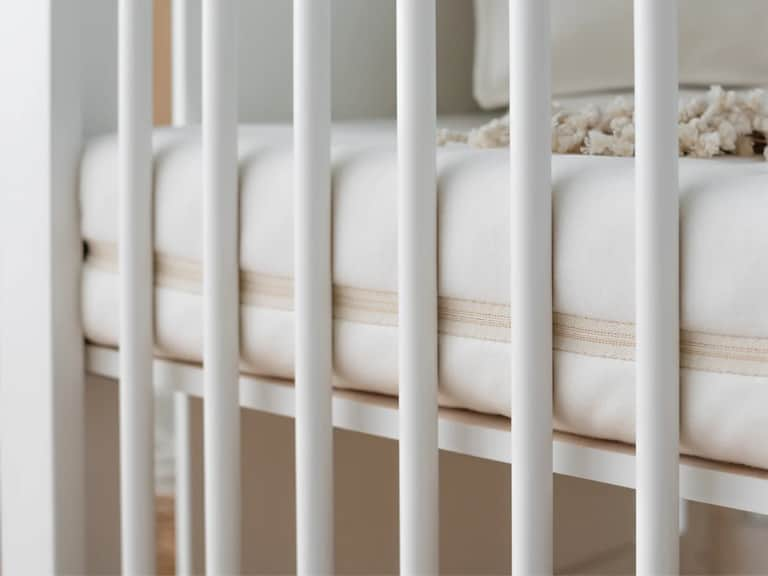
The Obasan Organic Crib Mattress exemplifies several important characteristics: a certified organic core, latex or other resilient, non-toxic materials, and a washable, breathable cover. Such features support long-term usability, resist common allergens, and maintain structural integrity through growth and routine care, contributing to a stable sleep environment for babies.
Beyond core construction, consider compatibility with standard crib dimensions and ease of cleaning. Mattresses with removable, washable covers or protective barriers help manage spills and accidents, while non-toxic finishes and low-odor materials support a healthier nursery atmosphere. Materials like wool or latex blends can offer natural temperature regulation and durability over time.
In the broader context of nursery essentials, crib mattresses interact with bedding selections such as sheets, pillows, and protective pads. Selecting a mattress with a firm, even surface supports safe sleep positioning, while breathable layers and natural materials contribute to comfort. Understanding product features, from organic certifications to moisture management, informs sound sleep planning for infants.
 Nursery