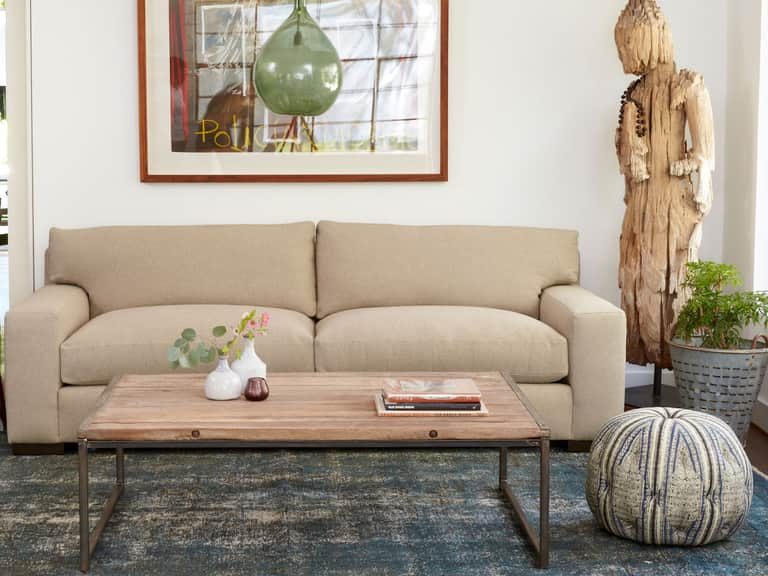
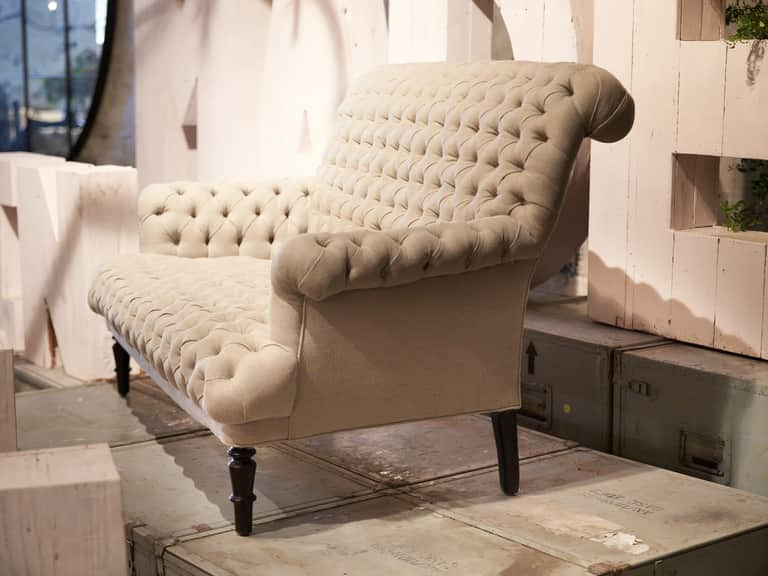
Sofas provide shared seating for living rooms, family spaces, offices, and other areas where comfort and support matter. Their form, seat depth, cushioning, and upholstery influence how they function in everyday use. When comparing sofas, consider room dimensions, traffic patterns, preferred sitting posture, and how the design relates to existing furnishings.
The Cisco Home Asher Sofa is one example in this category, with a design intended to serve as a central seating piece. Its proportions and upholstery can affect both visual balance and daily comfort. Assessing available floor space and the number of people who typically use a sofa helps determine whether its format suits a room.
The Cisco Home Loft Sofa and Cisco Home Kenso Sofa offer further options for considering style and practical seating needs. Differences in silhouette, cushioning, and construction are useful points to evaluate when choosing furniture for a particular layout. These characteristics can shape how a sofa supports conversation, relaxation, or flexible use in a shared space.
The Cisco Home Bachelor Sofa adds another named option for understanding sofa types and their intended settings. As with any upholstered seating, useful considerations include frame construction, cushion support, fabric care, and clearance around the furniture. These details help clarify maintenance needs and whether a sofa is appropriate for frequent use or a more occasional seating area.
Sofa planning can also account for nearby home textiles, including pillows, sheets, and bedding, which contribute to a room’s comfort and coordinated appearance. Materials such as latex may be relevant when evaluating cushioning preferences in other furnishings, while nursery layouts call for careful attention to space and movement. These considerations are separate from the listed sofas’ specifications.
 Furniture